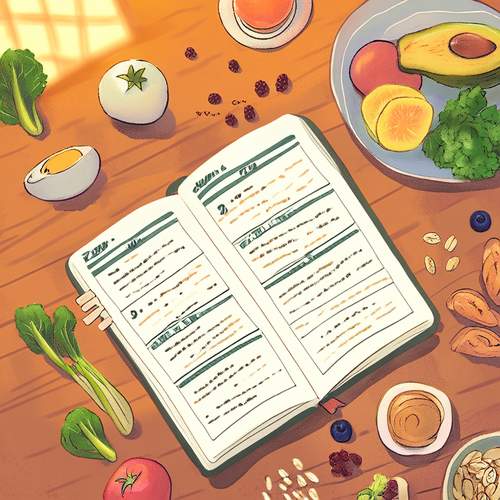
Crafting a practical weekly meal plan is an art that blends nutrition, convenience, and personal preference. It’s not just about jotting down recipes or randomly assigning meals to days of the week. A well-thought-out plan considers your lifestyle, dietary needs, and even your mood. The goal is to create a sustainable routine that makes eating healthy feel effortless rather than like a chore. Whether you're a busy professional, a parent juggling multiple schedules, or someone simply looking to eat better, a structured meal plan can be a game-changer.
One of the first steps in designing a weekly meal plan is understanding your nutritional requirements. This goes beyond counting calories or macronutrients. It’s about ensuring your meals are balanced, providing a mix of proteins, carbohydrates, healthy fats, and micronutrients. For instance, if you’re someone who exercises regularly, your protein intake might need to be higher to support muscle recovery. On the other hand, if you’re focused on weight management, portion control and fiber-rich foods might take precedence. Tailoring your plan to your body’s needs ensures you’re not just eating but nourishing yourself.
Another critical aspect is factoring in your schedule. A meal plan that doesn’t align with your daily routine is bound to fail. If you have back-to-back meetings on Wednesdays, for example, a quick, no-cook lunch like a hearty salad or a wrap might be more practical than an elaborate dish. Similarly, if you know you’re too exhausted to cook on Friday evenings, planning for a simple one-pot meal or even a healthy takeout option can prevent last-minute unhealthy choices. The key is to be realistic about the time and energy you can devote to meal preparation each day.
Variety is often overlooked but is essential for long-term adherence to a meal plan. Eating the same chicken and broccoli every day might work for a week, but it’s a recipe for burnout. Incorporating different cuisines, experimenting with new ingredients, and rotating your protein sources can keep meals exciting. For example, you might try a Mediterranean-inspired dish one night, an Asian stir-fry the next, and a comforting soup later in the week. This not only keeps your taste buds engaged but also ensures a broader spectrum of nutrients.
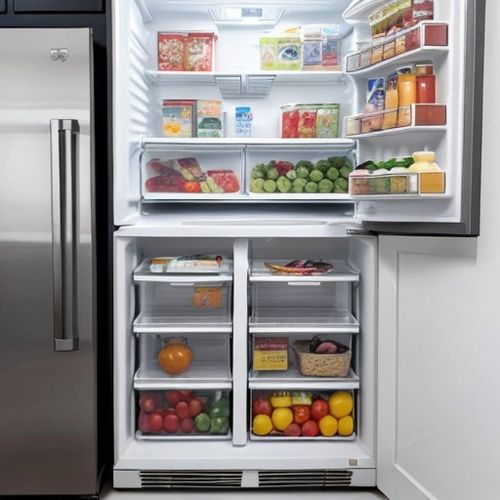
Grocery shopping is where many meal plans fall apart. Even the most meticulously crafted plan won’t work if you don’t have the ingredients on hand. Creating a detailed shopping list based on your weekly menu is crucial. It helps avoid impulse buys and ensures you have everything you need. To save time, consider grouping items by category—produce, dairy, pantry staples—so you can navigate the store efficiently. Additionally, stocking up on versatile staples like quinoa, canned beans, frozen vegetables, and spices can provide a safety net for those days when things don’t go as planned.
Flexibility is another cornerstone of a practical meal plan. Life is unpredictable, and rigid plans often lead to frustration. Building in wiggle room—like designating one night as "leftovers night" or having a few freezer-friendly meals on standby—can make your plan more resilient. If you end up dining out unexpectedly, simply shift the planned meal to another day. The idea is to reduce stress, not add to it. A meal plan should serve you, not the other way around.
Finally, don’t underestimate the power of preparation. Batch cooking or prepping ingredients in advance can be a lifesaver during busy weeks. For instance, chopping vegetables, marinating proteins, or cooking a big batch of grains over the weekend can significantly cut down on weekday cooking time. Even if you’re not a fan of full-on meal prepping, having a few components ready to go can make assembling meals quicker and easier. The less you have to think about during the week, the more likely you are to stick to your plan.
A well-designed weekly meal plan is more than just a list of what to eat. It’s a tool that can save time, reduce stress, and help you make healthier choices consistently. By considering your nutritional needs, schedule, and preferences—and by staying flexible—you can create a plan that works for your life. The effort you put into planning will pay off in the form of better meals, less wasted food, and a happier, healthier you.

By /May 21, 2025

By /May 21, 2025

By /May 21, 2025

By /May 21, 2025

By /May 21, 2025

By /May 21, 2025

By /May 21, 2025

By /May 21, 2025

By /May 21, 2025

By /May 17, 2025
By /May 17, 2025

By /May 17, 2025

By /May 17, 2025

By /May 17, 2025

By /May 17, 2025

By /May 17, 2025

By /May 17, 2025
By /May 17, 2025
By David Anderson/Apr 29, 2025